Rare Cardiology News
Advertisement
Spotlight On
Tuberous Sclerosis
Tuberous sclerosis (also called tuberous sclerosis complex, or TSC) is a rare, multi-system genetic disease that causes non-cancerous (benign) tumors to grow in the brain and on other vital organs such as the kidneys, heart, eyes, lungs, and skin.
Prevalence
1-9 / 100,000
33,100 - 165,500
US Estimated
1-9 / 100,000
51,350 - 256,750
Europe Estimated
Age of Onset
ICD-10
Q85.1
Inheritance
Autosomal dominant
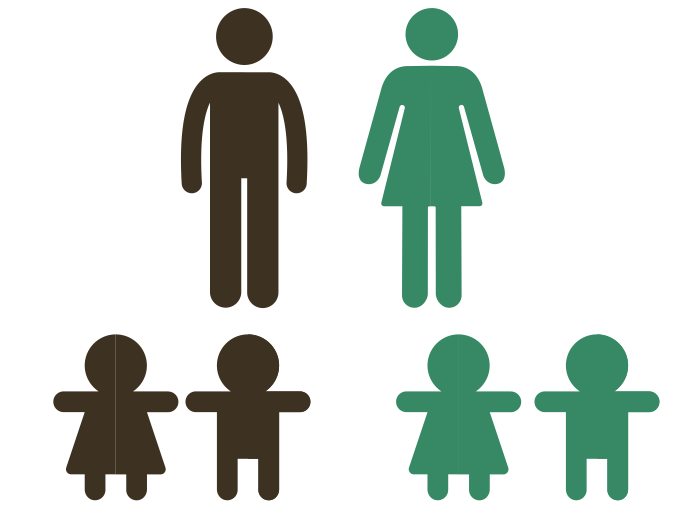
Autosomal recessive
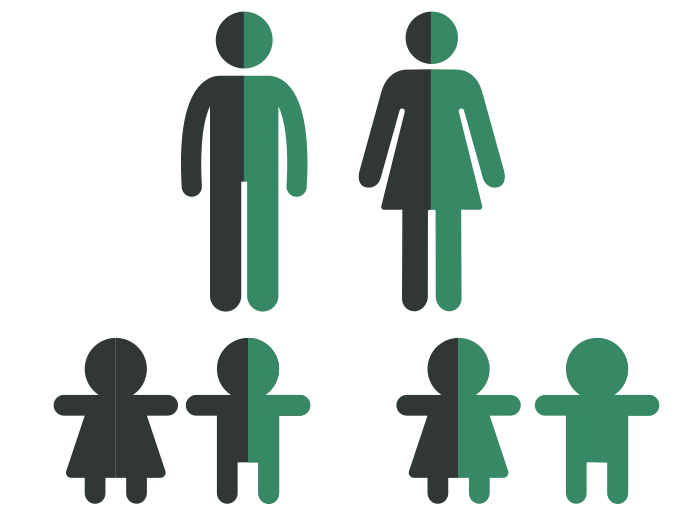
Mitochondrial/Multigenic
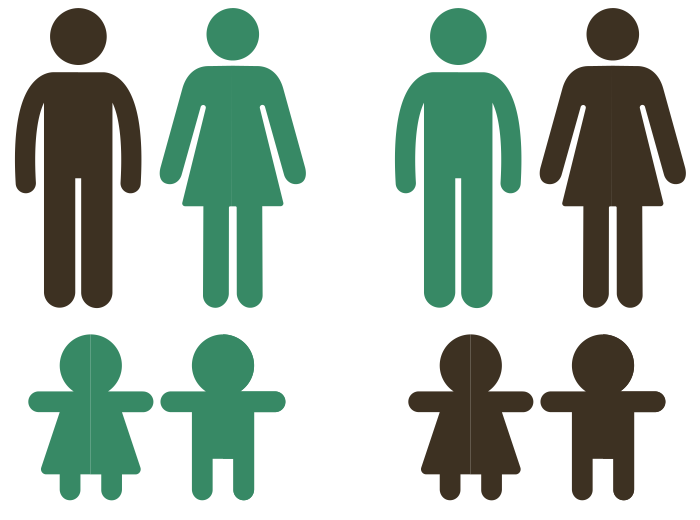
X-linked dominant
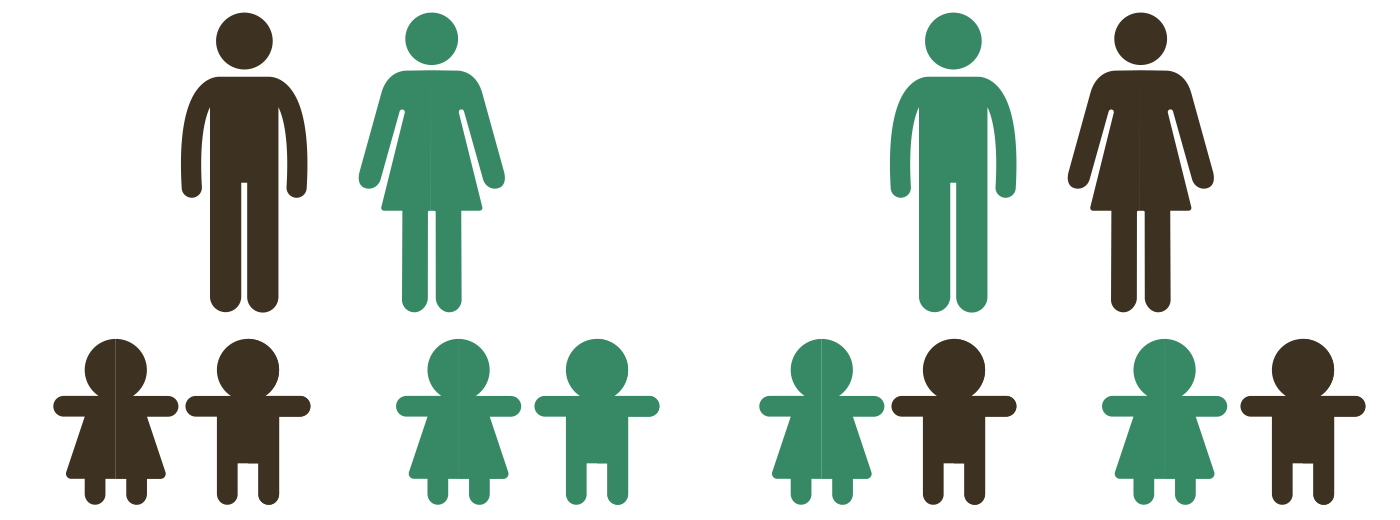
X-linked recessive
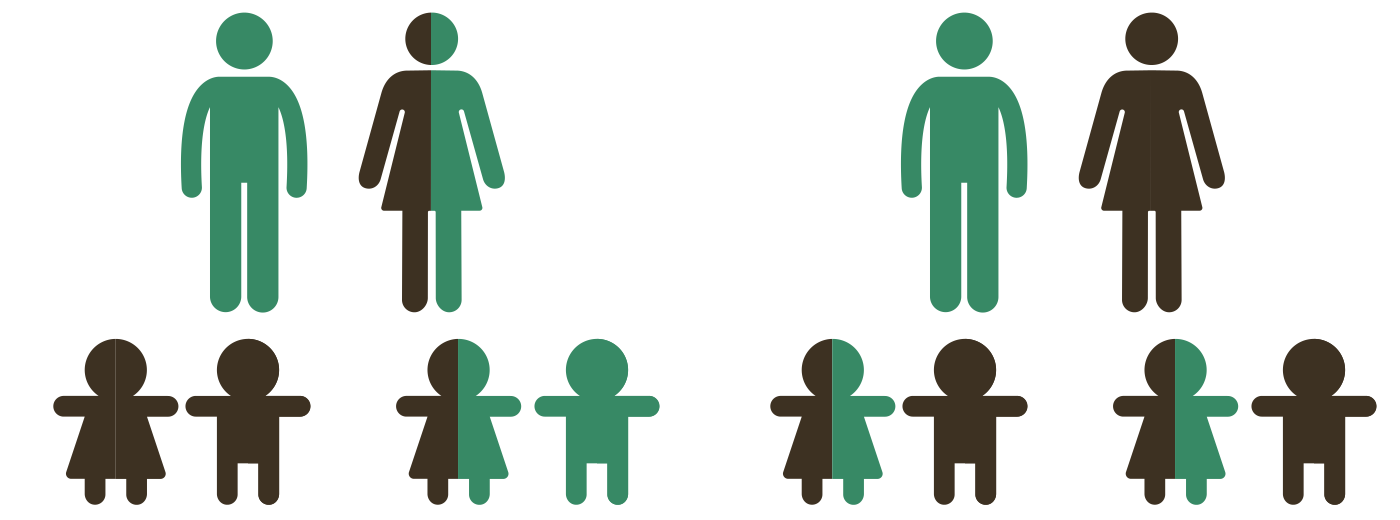
Rare View
60% of cases are diagnosed in the first year. Diagnosis slows down considerably after the first year.

5 Facts you should know
FACT
TSC is caused by mutations on two genes—TSC1 and TSC2. Only one of the genes needs to be affected for TSC to be present.
FACT
Most cases occur as sporadic cases due to new, spontaneous mutations in TSC1 or TSC2.
FACT
Benign tumors are most common in the brain, kidneys, heart, lungs, and skin.
FACT
Cancerous tumors are rare in TSC and those that do occur primarily affect the kidneys.
FACT
Seizures affect most individuals with TSC at some point during their life.
Interest Over Time
Google searches
Common Signs & Symptoms
Small bumps made up of blood vessels
(angiofibromas)
Patches of thickened, rough skin
(shagreen patches)
Growths under the fingernails and toenails
(ungual fibromas)
Light colored skin patches
(hypomelanonic macules)
Benign brain tumor
(astrocytoma)
Abnormal organization of the brain
(cortical dysplasia)
Nodules in the brain
(subependymal nodules)